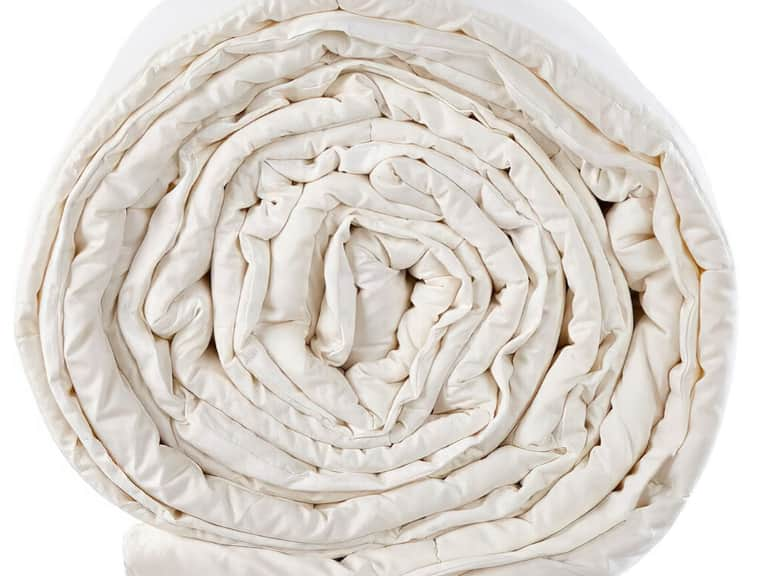
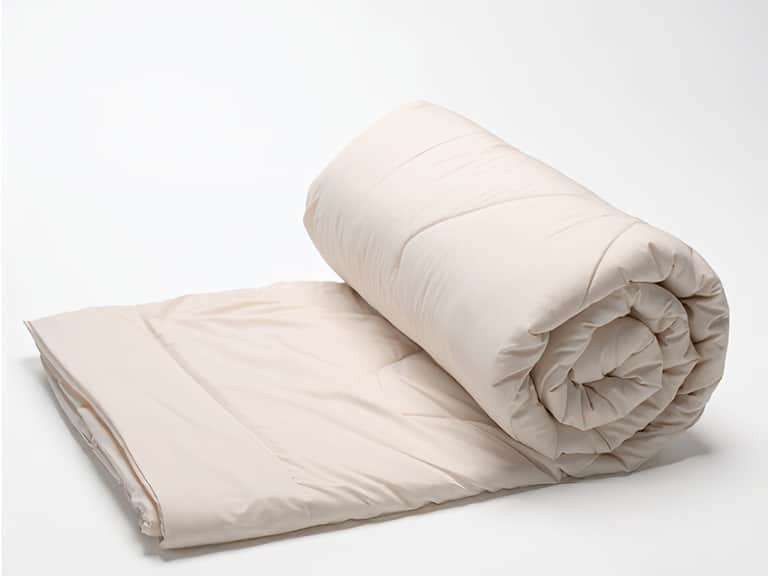
Wool comforters blend natural insulation with breathable fibers, offering temperature regulation that helps maintain a comfortable sleeping environment. Materials like wool wick away moisture to reduce overheating, while their loft and structure provide a cozy feel without excessive heaviness. This category highlights how wool can support varied sleep preferences and climate conditions.
Key features to consider include fiber loft, moisture management, and fiber-origin sustainability. Wool comforters typically resist wrinkles and maintain warmth even when damp, enhancing durability. Natural scales on wool fibers, along with careful weaving, contribute to a durable bedding layer that supports long-term sleep quality and consistent thermal comfort.
In the Sleep and Beyond myComforter and Suite Sleep Washable Wool Comforter examples, you’ll find distinct designs that emphasize warmth without bulk and ease of care. The myComforter model prioritizes even warmth distribution, while the washable wool option offers practical maintenance benefits, reducing the need for frequent professional cleaning.
Functional benefits of wool comforters include resilience to clumping, good loft retention after washing, and minimal reliance on synthetic fillers. These attributes support allergy-conscious and sensitive sleepers by providing a breathable, low-odor environment. Understanding fiber structure helps explain why wool can be a practical choice for varied bed sizes and setups.
Meta keywords such as bedding, pillows, sheets, duvet covers, and organic mattresses intersect with wool comforters through themes of overall bedroom comfort and material quality. By examining care guidelines, fiber sourcing, and warmth-to-weight performance, readers gain insight into selecting a wool comforter that aligns with sustainable living and sleep health objectives.
 Bedding